
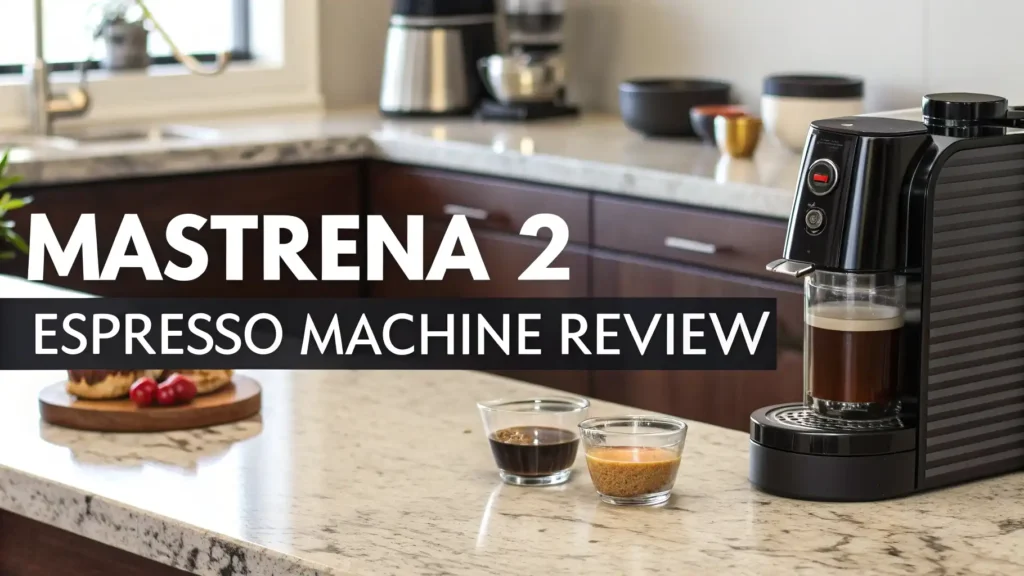
Mastrena 2 Espresso Machine Review: The Ultimate Guide
Have you ever wondered what makes your Starbucks espresso taste so good? The secret lies in the machine they use.
The Mastrena 2 espresso machine is the powerhouse behind every cup of coffee at Starbucks locations worldwide.
This Swiss-made marvel has revolutionized commercial coffee making. It brings together speed, consistency, and quality in one beautiful package.
Key Takeaways
- Understanding the Mastrena 2 means knowing what makes commercial espresso machines tick. This machine represents the pinnacle of automated coffee technology with its dual boiler system and automatic milk frothing capabilities.
- Price and availability create unique challenges since the Mastrena 2 is exclusive to Starbucks. Used models range from $4,000 to $13,995, making them a significant investment for any coffee enthusiast or business owner.
- Performance and features set this machine apart from competitors. The touchscreen interface, adjustable grinder, and automatic shot quality monitoring ensure every cup meets professional standards.
- Energy efficiency and maintenance are crucial considerations. The machine includes automatic sleep mode and requires professional servicing every 6 to 12 months to maintain optimal performance.
- Alternative options exist for home brewers and small coffee shops. Brands like De’Longhi, Breville, Jura, and Philips offer super-automatic machines with similar features at more accessible price points.
- Making the right choice depends on your specific needs, budget, and volume requirements. Understanding these factors will help you decide whether the Mastrena 2 or an alternative better suits your coffee journey.

What Makes the Mastrena 2 Different
The Mastrena 2 stands out in the crowded espresso machine market for several reasons. Thermoplan designed this machine specifically for high-volume commercial environments. Every feature serves a purpose: speed, consistency, and reliability.
The machine can pull multiple shots simultaneously while maintaining perfect temperature control. This capability is essential for busy coffee shops serving hundreds of customers daily.
The dual boiler system represents a significant advancement over single-boiler machines. One boiler handles espresso extraction while the other manages steam for milk frothing. This design eliminates waiting time between shots and steaming.
Baristas can work faster without sacrificing quality. The temperature stays consistent throughout the day, ensuring every espresso tastes exactly the same as the last one.
Build quality reflects Swiss engineering excellence. The Mastrena 2 uses premium materials designed to withstand commercial use. Stainless steel components resist corrosion and maintain hygiene standards.
De’Longhi Magnifica Start Super Automatic Espresso Machine
The De’Longhi Magnifica Start brings professional coffee making to your home. This super-automatic machine grinds fresh beans, brews perfect espresso, and froths milk automatically.
You get five one-touch recipes including espresso, coffee, cappuccino, latte, and iced coffee. The built-in grinder features 13 settings to match your taste preferences and bean types.
Ease of use makes this machine perfect for beginners and experts alike. The simple interface lets you select your drink with a single button press. The machine handles everything else automatically.
The auto milk frother creates creamy, velvety foam for cappuccinos and lattes. Cleanup is straightforward thanks to removable parts that go straight into the dishwasher.
The Evolution of Mastrena Machines
The Mastrena story began in 2003 when Thermoplan introduced the original model. Starbucks needed a machine that could meet their demanding standards for quality and volume.
The partnership between these two companies changed the commercial espresso machine landscape forever. The original Mastrena earned a reputation for reliability and consistency that became legendary in the coffee industry.
Innovation drove each iteration of the Mastrena line forward. The first generation established the foundation with automatic grinding and brewing. Later models added temperature stability improvements and better milk frothing systems.
Each upgrade addressed real-world challenges faced by baristas working in high-pressure environments. Thermoplan listened to feedback and continuously refined the design.
Dual Boiler Technology Explained
Understanding dual boiler systems helps explain why the Mastrena 2 performs so well. Traditional single-boiler machines force you to choose between brewing and steaming. You cannot do both simultaneously.
This limitation creates bottlenecks in busy environments where speed matters. Single-boiler machines also struggle with temperature stability when switching between functions.
The Mastrena 2 dual boiler design eliminates these problems completely. One boiler maintains the perfect brewing temperature around 200 degrees Fahrenheit. The second boiler runs hotter for steam production, typically around 250 degrees.
Each boiler operates independently with precise temperature control. This separation means you can pull espresso shots while simultaneously steaming milk for another drink.
Top 3 Alternatives for Mastrena 2


Breville Barista Express Espresso Machine
The Breville Barista Express has earned its status as Amazon’s best seller in espresso machines. This semi-automatic machine gives you complete control over the brewing process while maintaining user-friendly operation.
The integrated conical burr grinder delivers precise, consistent grinding with dose control for perfect extraction. You can adjust grind size, temperature, and pressure to create your ideal espresso.
Professional features come standard with this machine. The 15-bar Italian pump generates optimal pressure for rich, flavorful extraction. The stainless steel construction ensures durability and attractive appearance in any kitchen.
The precise PID temperature control maintains water temperature within a narrow range for consistent results. The machine includes both single and double wall filter baskets for beginners and advanced users.
Automatic Milk Frothing System
The Mastrena 2 revolutionized milk frothing with its fully automated system. Manual steam wands require skill and practice to master. Creating perfect microfoam takes time to learn.
The automatic system eliminates this learning curve entirely. Baristas simply select the drink type, and the machine handles milk frothing automatically. This automation ensures consistency regardless of who operates the machine.
Temperature and texture remain consistent with every drink. The system monitors milk temperature precisely, stopping at the ideal point for each beverage type. Cappuccinos get drier, stiffer foam while lattes receive smoother, more liquid microfoam.
The machine adjusts automatically based on the selected drink. This intelligence reduces waste from improperly frothed milk and speeds up service significantly.
Breville Barista Touch Espresso Machine
The Breville Barista Touch takes automation to the next level with its innovative touchscreen interface. This machine combines the control of manual espresso with the convenience of automatic operation.
The intuitive touch display guides you through every step of the brewing process. You can save up to eight personalized drinks with your preferred settings for one-touch preparation.
Automated grinding, dosing, and milk texturing make professional coffee accessible to everyone. The machine grinds fresh beans to your specifications, tamps the perfect puck, and extracts espresso at optimal pressure.
The automatic steam wand creates microfoam with the texture you prefer. Simply select your milk temperature and foam level, and the machine delivers consistent results.
Touchscreen Interface and User Experience
Modern espresso machines benefit enormously from touchscreen technology. The Mastrena 2 touchscreen displays clear, colorful graphics that guide operators through every function. Menu navigation feels intuitive, similar to using a smartphone.
Icons represent different drinks and settings, reducing the need for text-based instructions. This visual approach works across language barriers, important for international chains like Starbucks.
Customization options become accessible through the touchscreen interface. Operators can adjust shot volume, temperature, grind size, and milk foam texture without memorizing button combinations.
The screen displays real-time information about brewing parameters. Error messages appear clearly when maintenance is needed. This transparency helps prevent problems before they impact service quality.
Jura E8 Automatic Espresso Machine
The Jura E8 represents Swiss engineering excellence in home espresso machines. This super-automatic machine delivers professional-quality coffee with minimal effort.
The Pulse Extraction Process optimizes extraction time for maximum flavor development. Short pulses of water interact with ground coffee, creating rich, aromatic espresso with beautiful crema.
Smart technology enhances every aspect of operation. The machine recognizes when you attach the milk system and automatically adjusts settings. The professional-grade burr grinder features multiple fineness settings for different coffee styles.
The intelligent water system detects filter presence and adjusts maintenance prompts accordingly. The color display provides clear feedback and simple navigation through all functions.
Energy Efficiency Features
Commercial espresso machines consume significant energy, making efficiency crucial for operational costs. The Mastrena 2 automatic sleep mode powers down heating elements during idle periods.
The machine monitors activity patterns and enters sleep mode after a programmed delay. This feature reduces electricity consumption during slow periods without compromising readiness for the next drink order.
Insulation technology minimizes heat loss from the boilers. Advanced materials surround both boilers, maintaining temperature with less energy input. The machine reaches operating temperature faster during startup, saving energy and time.
These insulation improvements also protect operators from burns since external surfaces stay cooler. The compact design reduces the amount of metal that needs heating, further improving efficiency.
Maintenance Requirements and Costs
Professional espresso machines require regular maintenance to perform optimally. The Mastrena 2 needs servicing every 6 to 12 months depending on usage volume. High-volume locations like busy Starbucks stores require more frequent service.
These visits include descaling, replacing wear parts, calibrating brewing parameters, and updating software. Only trained technicians should service the Mastrena 2 due to its complexity.
Service costs add up over the machine’s lifetime. Each maintenance visit costs several hundred dollars for parts and labor. Descaling solutions, cleaning tablets, and replacement gaskets represent ongoing expenses.
Water filtration plays a crucial role in reducing maintenance needs. Poor water quality accelerates mineral buildup, increasing service frequency. Installing a high-quality water filter saves money on maintenance and extends machine life.
Philips 5500 Series Fully Automatic Espresso Machine

The Philips 5500 Series combines cutting-edge technology with user-friendly design. This fully automatic machine offers 20 pre-programmed drinks including both hot and iced options.
The LatteGo milk system creates smooth, creamy foam and cleans in just 15 seconds under running water. No tubes or hidden parts means simpler maintenance and better hygiene.
SilentBrew technology reduces noise during grinding and brewing. You can enjoy fresh espresso in the morning without waking the entire household.
The integrated ceramic grinder features 12 settings and preserves coffee aroma better than steel grinders. The machine remembers your preferences for up to four user profiles, making it perfect for families with different tastes.
Comparing Price Points
The Mastrena 2 price range spans from $7,500 to $13,995 for new or like-new units. Used machines occasionally appear on secondary markets for $4,000 to $7,500. These prices put the Mastrena 2 firmly in commercial territory, beyond most home budgets.
The investment makes sense for coffee shops serving hundreds of drinks daily. Revenue from coffee sales justifies the expense when the machine improves speed and consistency.
Home espresso machines offer similar features at fraction of the cost. Super-automatic machines from De’Longhi, Breville, and Jura range from $500 to $3,000.
These machines sacrifice some commercial durability and capacity for affordability and compact size. Home users rarely need the extreme durability of commercial machines. A well-maintained home machine serves a family’s needs for years at much lower cost.
Real World Performance
The Mastrena 2 proves its worth in the most demanding environments. Starbucks locations worldwide rely on this machine to maintain consistent quality across thousands of stores. The machine handles rush periods without breaking down or producing inferior coffee.
Baristas appreciate the reliability and speed during morning rushes when every second counts. The machine rarely requires mid-shift service calls, minimizing disruptions.
Shot quality remains consistent throughout the day. The first espresso in the morning tastes identical to the last shot before closing. This consistency stems from precise temperature control and automatic grind adjustment.
The machine compensates for environmental factors like humidity and temperature changes. Customers notice this consistency, building trust in the brand through reliable product quality.
Who Should Buy the Mastrena 2
High-volume coffee shops represent the primary target market for the Mastrena 2. Establishments serving 200 or more drinks daily benefit most from the machine’s speed and reliability.
The investment pays for itself through increased capacity and reduced labor costs. Shops with limited counter space appreciate the compact footprint despite the machine’s capabilities. Businesses prioritizing consistency and brand standards across multiple locations value the programmable features.
Serious home enthusiasts occasionally purchase used Mastrena 2 machines. These buyers typically have experience with espresso and understand the maintenance requirements.
The commercial power consumption and service needs make this choice impractical for most home users. Those who do purchase them often have dedicated coffee areas with proper electrical service and water filtration.
Installation and Setup
Installing the Mastrena 2 requires professional expertise due to electrical and plumbing requirements. The machine needs dedicated electrical service with a 32-amp supply. Standard household outlets cannot provide sufficient power.
An electrician must run appropriate wiring from the main electrical panel. This installation adds significant cost beyond the machine purchase price.
Water supply connections must meet commercial standards. The machine requires both incoming water and drainage. Water pressure and flow rate affect machine performance. Installing a commercial-grade water filtration system protects the machine from mineral damage.
This filtration represents another substantial expense but proves essential for longevity. Poor water quality voids warranties and accelerates wear.
Customer Support and Warranty
The Mastrena 2 includes a standard one-year warranty covering manufacturing defects and component failures. This warranty requires installation by authorized technicians and adherence to maintenance schedules.
Extended service agreements offer additional coverage beyond the initial year. These agreements make sense given the machine’s complexity and repair costs. Without coverage, repairs can cost thousands of dollars.
Thermoplan’s dealer network provides service and support in most major markets. Authorized service technicians receive factory training on Mastrena systems. This specialized knowledge ensures proper diagnosis and repair.
Generic commercial espresso technicians may lack familiarity with Mastrena-specific systems. Using unauthorized service providers can void warranties and cause additional problems.
Making Your Decision
Evaluating your needs starts with honest assessment of volume requirements. Count current and projected drinks per day, week, and month. Consider peak periods when multiple drinks stack up simultaneously.
Calculate the cost per drink including machine payments, maintenance, supplies, and labor. These numbers reveal whether a commercial machine makes financial sense for your situation.
Budget considerations extend beyond purchase price. Factor in installation, water filtration, regular maintenance, and potential repairs. Commercial machines represent ongoing commitments rather than one-time purchases.
Compare these costs against the revenue or personal value the machine generates. Home users should consider whether they will actually use advanced features enough to justify higher costs.
Final Thoughts on the Mastrena 2
The Mastrena 2 espresso machine represents the pinnacle of commercial coffee technology. Its combination of speed, consistency, and quality makes it ideal for high-volume environments.
Starbucks’ global adoption proves the machine’s reliability and performance. The dual boiler system, automatic features, and intelligent monitoring set industry standards.
However, the high cost and maintenance requirements place this machine beyond reach for most users.
Used machines offer more affordable entry points but still require commercial infrastructure. The specialized service needs and energy consumption make sense only in commercial settings with proper support.
FAQs
How does the Mastrena 2 compare to semi-automatic machines?
The Mastrena 2 differs fundamentally from semi-automatic machines in automation level. Semi-automatic machines require baristas to control grinding, dosing, tamping, and timing manually. This hands-on approach offers maximum control but demands skill and consistency. The Mastrena 2 automates these steps, ensuring consistency regardless of operator skill level.
Can I buy a Mastrena 2 for home use?
Technically, yes, but practically, the answer is more complicated. The Mastrena 2 is designed for commercial use with corresponding requirements. Your home needs a 32-amp electrical supply, commercial-grade water filtration, and adequate counter space. Most homes require significant electrical upgrades to support the machine.
What coffee beans work best with the Mastrena 2?
The Mastrena 2 handles any quality espresso beans effectively. The adjustable grinder accommodates different roast levels and bean origins. Medium to medium-dark roasts typically produce best results in super-automatic machines. These roasts balance flavor development with oil content that doesn’t gum up grinder mechanisms.
How loud is the Mastrena 2 during operation?
The Mastrena 2 produces moderate noise during grinding and brewing. The built-in grinder creates the loudest sounds, similar to other burr grinders. This noise lasts only seconds per drink. The brewing and milk frothing processes generate quieter mechanical sounds. Overall, the machine operates at acceptable levels for commercial environments.
Is special training required to operate the Mastrena 2?
Basic operation requires minimal training thanks to the intuitive touchscreen interface. New baristas learn essential functions within 15 to 30 minutes of hands-on practice. The automated systems handle complex tasks like grind adjustment and milk frothing. Operators simply select drink types and follow screen prompts. This simplicity reduces training costs and staffing flexibility.