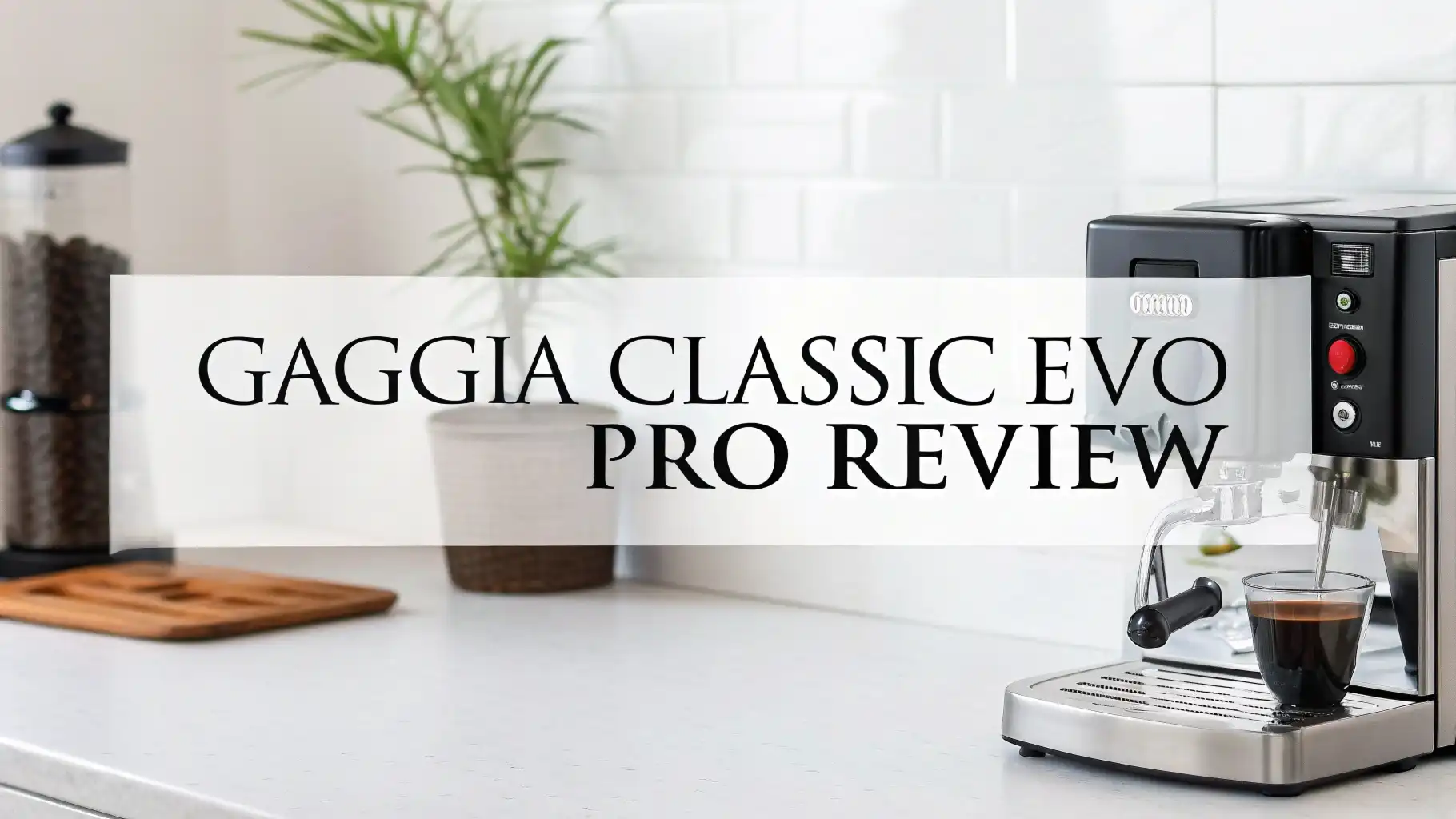
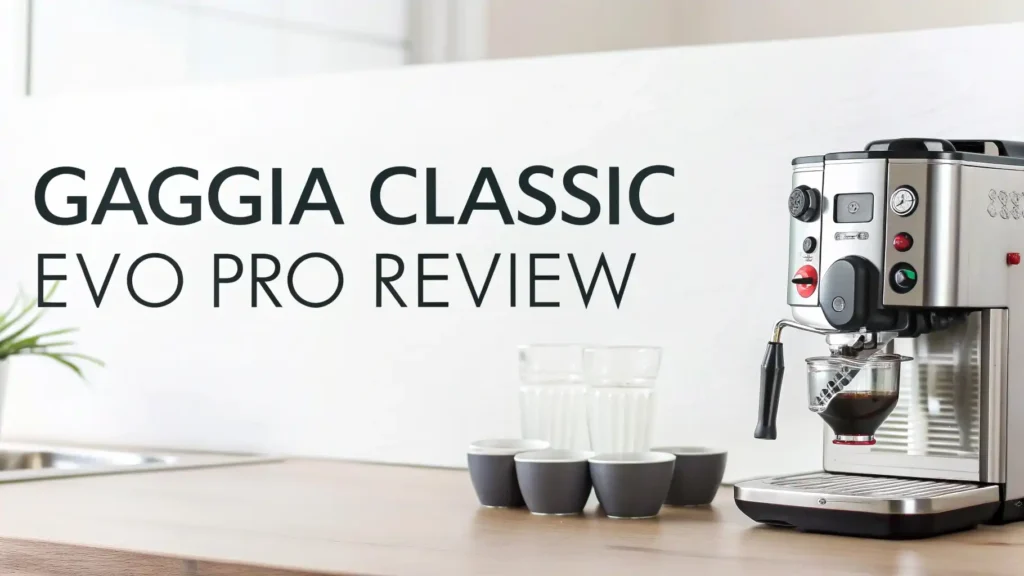
Gaggia Classic Evo Pro Review 2026: Worth the Price Tag?
Are you ready to transform your kitchen into a personal coffee shop? The Gaggia Classic Evo Pro might be your golden ticket to barista-level espresso at home.
This machine has been making waves in the coffee community, and coffee lovers everywhere are asking the same question: is it worth the investment in 2026?
Whether you are a complete beginner or someone looking to upgrade from that basic coffee maker, this review will walk you through everything you need to know.
Key Takeaways:
- Outstanding Build Quality: This machine features a lead-free brass boiler and solid stainless steel housing, all manufactured in Italy with exceptional craftsmanship that will last for years.
- Commercial-Grade Components: You get a 58mm stainless steel portafilter (the same size used in professional cafes), a three-way solenoid valve for cleaner puck removal, and 9 bar pressure extraction that rivals machines costing twice as much.
- Room to Grow: The machine supports modifications and upgrades, making it perfect for both beginners and experienced home baristas who want to expand their skills over time.
- Learning Curve Included: Unlike automatic machines, this semi-automatic beauty requires you to learn temperature surfing and proper technique, but the quality of espresso you will achieve makes every minute worthwhile.
- Best Value in Its Class: At around $499 to $529 on Amazon, you are getting a machine that can produce espresso quality typically found in $2,000+ setups when paired with a good grinder.

What Makes the Gaggia Classic Evo Pro Special
The Gaggia Classic Evo Pro stands out in the crowded home espresso market for several compelling reasons. This machine carries forward a legendary heritage that dates back decades. The original Gaggia Classic became an icon in home espresso because it brought commercial-level performance to everyday kitchens.
What sets the Evo Pro apart is its authentic espresso extraction system. You get true 9 bar pressure extraction, which is the gold standard for pulling perfect espresso shots.
The machine uses a commercial three-way solenoid valve that instantly releases pressure after brewing. This feature means you can remove the portafilter immediately without making a mess, and your coffee pucks come out dry and clean.
The stainless steel construction is not just about looks. This solid build ensures consistent heat retention and durability.
Many cheaper machines use plastic components that crack or warp over time. The Gaggia Classic Evo Pro is built like a tank. Owners report using these machines for 10, 15, even 20 years with proper maintenance.
Build Quality and Design: Italian Craftsmanship at Its Finest
The Gaggia Classic Evo Pro measures 14.25 inches tall, 8 inches wide, and 9.5 inches deep. It weighs a substantial 20 pounds, which immediately tells you this is serious equipment. The weight comes from quality materials, particularly that lead-free brass boiler that ensures excellent thermal stability.
The machine features a brushed stainless steel exterior that looks professional on any countertop. The thunder black and polar white color options let you match your kitchen aesthetic.
Unlike some modern machines covered in plastic panels, the Gaggia feels solid and substantial. When you flip the switches or turn the steam knob, everything has a quality tactile response.
The water reservoir holds an impressive 2.1 liters (72 fluid ounces), which means fewer refills during your morning coffee routine. The reservoir is transparent, making it easy to monitor water levels at a glance. The drip tray capacity is 475ml, and it includes a float indicator that tells you when it needs emptying.
Espresso Quality: How Good Is the Coffee Really
Here is where the Gaggia Classic Evo Pro truly shines. This machine produces exceptional espresso that rivals what you would get at quality coffee shops. The key lies in its ability to maintain proper extraction pressure and deliver consistent results when you master the technique.
The 9 bar extraction pressure is calibrated perfectly for pulling traditional Italian espresso. You get that beautiful crema layer on top of your shots, rich body, and complex flavor profiles that showcase the nuances of quality coffee beans. Whether you prefer light, medium, or dark roasts, this machine can extract them properly.
The brass boiler provides excellent thermal mass, which means once it heats up, it maintains relatively stable temperatures.
However, here is the honest truth: the Gaggia Classic Evo Pro does not have a PID controller (proportional integral derivative system) for precise temperature management. This means you need to learn temperature surfing, a technique where you time your shots to ensure optimal brewing temperature.
Top 3 Alternatives for Gaggia Classic Evo Pro


Steaming Performance: Creating Cafe-Quality Milk Drinks
The commercial-style steam wand on the Gaggia Classic Evo Pro is a game changer for milk-based drinks. Unlike the basic steam wands found on budget machines, this powerful wand gives you excellent control for creating microfoam perfect for lattes and cappuccinos.
The steam power is impressive for a single-boiler machine. You can texture milk quickly, usually within 30 to 45 seconds for a standard latte.
The wand produces consistent steam pressure that lets you create that silky, glossy microfoam essential for latte art. Yes, you can actually practice and achieve those beautiful hearts, rosettas, and tulips you see baristas creating.
One consideration with single-boiler machines is the workflow between brewing and steaming. You need to wait for the boiler to heat up to steam temperature after pulling espresso shots.
This typically takes about 30 to 60 seconds. For most home users making one or two drinks at a time, this wait is totally manageable and becomes part of your routine.
User Experience: What It’s Really Like to Own This Machine
Living with the Gaggia Classic Evo Pro means embracing a hands-on espresso experience. This is not a push-button machine that does everything automatically. Instead, you become an active participant in the coffee-making process, which many enthusiasts find incredibly rewarding.
Your morning routine with this machine takes approximately 5 to 10 minutes once you get proficient. You will grind fresh beans, dose them into the portafilter, tamp with consistent pressure, lock in the portafilter, and initiate the extraction. You control when to start and stop the flow, giving you complete command over your espresso.
The learning curve is real but not insurmountable. Most users report feeling comfortable with the basics within a week or two.
Mastering temperature surfing and dialing in different beans takes longer, perhaps a few months of regular use. The upside is this learning process is genuinely enjoyable for coffee enthusiasts who want to understand the craft.
Upgradeability: A Machine That Grows With You
One of the most compelling aspects of the Gaggia Classic Evo Pro is its legendary modding community. This machine has become the platform of choice for enthusiasts who want to customize and upgrade their espresso setup without buying an entirely new machine.
The most popular modification is adding a PID controller, which gives you precise temperature control and eliminates the need for temperature surfing.
PID kits are available from multiple vendors, with installation taking a few hours for someone comfortable with basic electrical work. This upgrade alone can elevate your espresso quality dramatically.
Other common modifications include installing a pressure gauge to monitor extraction pressure in real time, upgrading the shower screen for better water distribution, adding flow control to enable pressure profiling, and installing a dimmer switch to control pump speed and pressure.
Comparing Value: Why Choose This Over Competitors
At its $499 price point, the Gaggia Classic Evo Pro occupies a sweet spot in the market. Cheaper machines typically use thermoblocks instead of boilers, plastic components instead of metal, and pressurized portafilters that limit your ability to pull real espresso.
These compromises might seem small but they dramatically affect coffee quality and longevity.
Moving up to machines like the Breville Barista Pro at $839 gets you built-in PID control and a more automated experience, but you sacrifice some of the commercial-grade components and modding potential.
The Rancilio Silvia at $995 offers similar quality but costs significantly more without offering substantial performance improvements over a modded Gaggia.
What makes the Gaggia Classic Evo Pro exceptional is its performance per dollar. You get a machine with genuine commercial-grade components at a prosumer price.
When you factor in its longevity and upgrade potential, the value proposition becomes even stronger. Many owners report their Gaggia machines outlasting multiple automatic machines while consistently producing better espresso.
Essential Accessories: What You Actually Need
To get the most from your Gaggia Classic Evo Pro, you need several key accessories. The most critical is a quality espresso grinder. The machine comes with a basic plastic tamper and pressurized baskets, but you will want to upgrade these fairly quickly.
A proper espresso grinder is non-negotiable. Budget options like the OXO Brew Conical Burr Grinder work reasonably well, though you will need to use its finest setting.
Better options include the Eureka Mignon series or Baratza Sette 270, which provide the grind consistency needed for excellent espresso. Expect to spend $200 to $500 on a capable grinder.
You will definitely want a precision scale that measures to 0.1 gram accuracy. This lets you dose consistently and track extraction ratios. A quality tamper with a 58mm base that fits your portafilter properly ensures even compression. Many users prefer calibrated spring-loaded tampers that apply consistent pressure every time.
Common Challenges and How to Overcome Them
Every machine has its quirks, and the Gaggia Classic Evo Pro is no exception. The biggest challenge for new users is mastering temperature surfing. Without a PID, you need to time your brewing cycle properly to ensure the boiler is at optimal temperature. The solution is following established protocols or installing a PID modification.
Grind size dialing confuses many beginners. Your espresso might come out too fast (under-extracted and sour) or too slow (over-extracted and bitter).
The fix is making small grind adjustments and keeping detailed notes until you find the sweet spot for your beans. Remember that different roasts and origins require different settings.
Some users experience channeling, where water finds paths of least resistance through the coffee puck, leading to uneven extraction. This usually indicates improper distribution or tamping. Using a WDT tool (Weiss Distribution Technique) to break up clumps and ensuring level tamping solves most channeling issues.
The single boiler design means waiting between brewing and steaming operations. While not a flaw per se, it requires workflow adjustment compared to dual-boiler machines. Most users adapt quickly by pulling all their espresso shots first, then switching to steam mode for milk drinks.
Maintenance and Longevity: Built to Last Decades
The Gaggia Classic Evo Pro is designed for long-term ownership and regular maintenance. Daily tasks include wiping down the shower screen and running a blank shot to flush remaining coffee oils. This takes about 30 seconds and prevents buildup that affects taste.
Weekly maintenance involves backflushing with a blind basket and espresso machine cleaning powder. This process cleans the solenoid valve and internal pathways. It takes about five minutes and keeps your machine operating optimally. You should also remove and clean the shower screen thoroughly each week.
Monthly tasks include cleaning or replacing the shower screen gasket if it shows wear, checking the portafilter basket for clogs, and wiping down the steam wand thoroughly to prevent milk residue buildup inside the tip. These maintenance rituals ensure consistent performance over years of use.
Who Should Buy the Gaggia Classic Evo Pro
This machine is perfect for coffee enthusiasts who want to learn the art and science of espresso making. If you enjoy understanding how things work, experimenting with variables, and gradually improving your craft, you will love this machine. It rewards patience and practice with exceptional espresso.
Upgraders from basic machines will appreciate the dramatic quality improvement. If you have been using a pressurized portafilter machine or pod system and want to experience real espresso, the Gaggia Classic Evo Pro is an excellent stepping stone without requiring a huge investment.
The machine also suits budget-conscious serious coffee lovers who want commercial-quality results without spending thousands. When paired with a decent grinder and some practice, this setup can produce espresso that rivals machines costing three to four times as much.
However, this machine might not be ideal if you want fully automated convenience. People who prefer pushing a button and walking away should consider super-automatic machines instead. Similarly, if you regularly make multiple milk drinks back-to-back, you might find the single boiler limiting, though many home users find it perfectly adequate.
Final Verdict: Is It Worth It in 2026
The Gaggia Classic Evo Pro absolutely earns its reputation as one of the best value propositions in home espresso.
It delivers on its core promise: producing excellent espresso with commercial-grade components at an accessible price point. The machine’s longevity, upgrade potential, and strong community support make it a smart investment for anyone serious about home espresso.
Yes, there is a learning curve. Yes, you will need to invest in a good grinder and accessories. Yes, you will spend time dialing in your shots and mastering technique. But these are not weaknesses, they are opportunities to engage deeply with your coffee and develop genuine barista skills.
In 2026, with espresso machine prices continuing to climb, the Gaggia Classic Evo Pro remains a standout value. It is the machine many baristas recommend to friends and family because they know it will deliver results and last for years.
Whether you are taking your first steps into real espresso or looking for a reliable workhorse that can grow with your skills, this Italian-made machine deserves your serious consideration.
Frequently Asked Questions
Does the Gaggia Classic Evo Pro come with a built-in grinder?
No, the Gaggia Classic Evo Pro does not include a built-in grinder. You need to purchase a separate espresso-capable grinder to use with this machine. This is actually an advantage because it allows you to choose a grinder that matches your budget and quality expectations, and you can upgrade the grinder independently without replacing the entire setup.
How long does it take for the machine to heat up?
The Gaggia Classic Evo Pro takes approximately 10 to 15 minutes to reach optimal brewing temperature from a cold start. Many users turn on the machine, then prepare their beans and accessories while it heats. You can start brewing slightly earlier, around 5 to 7 minutes, but allowing full heat-up time ensures better temperature stability and more consistent results.
Can I make multiple drinks without waiting between them?
You can pull multiple espresso shots back-to-back with minimal delay. However, if you need to steam milk, you will need to wait 30 to 60 seconds for the single boiler to heat up to steam temperature after pulling shots. For most home users making one to three drinks at a time, this workflow is perfectly manageable and becomes second nature.
Is the Gaggia Classic Evo Pro difficult to clean?
Not at all. Daily cleaning involves wiping surfaces and running a blank shot, which takes about 30 seconds. Weekly backflushing with cleaning powder takes about 5 minutes. The straightforward design means most maintenance tasks are simple and do not require special tools or technical knowledge. Regular cleaning actually prevents problems and keeps the machine running smoothly.
What is temperature surfing and do I really need to do it?
Temperature surfing is a technique to ensure optimal brewing temperature on machines without PID controllers. You turn on the brew switch briefly to heat the group head, then wait a specific time before pulling your shot. While it sounds complicated, most users develop a simple routine within a week or two. Alternatively, you can add a PID modification to eliminate the need for temperature surfing entirely.
How does this compare to fully automatic espresso machines?
The Gaggia Classic Evo Pro gives you far more control and produces higher quality espresso than most fully automatic machines in the same price range. However, it requires more hands-on involvement and skill development. Fully automatic machines offer convenience, while the Gaggia offers superior coffee quality and the satisfaction of mastering a craft. Your choice depends on whether you prioritize convenience or quality.
Can beginners successfully use this machine?
Absolutely. While the Gaggia Classic Evo Pro has a learning curve, thousands of beginners have successfully started their espresso journey with this machine. The key is patience and willingness to learn. Most beginners pull decent shots within a few days and excellent shots within a few weeks. The strong online community provides endless tutorials, tips, and troubleshooting help for newcomers.
What kind of warranty does it come with?
The Gaggia Classic Evo Pro typically comes with a one-year manufacturer warranty covering defects in materials and workmanship. Many retailers offer extended warranty options. The machine’s robust build quality and serviceable design mean most issues can be easily repaired even after the warranty expires, contributing to its reputation for longevity.