
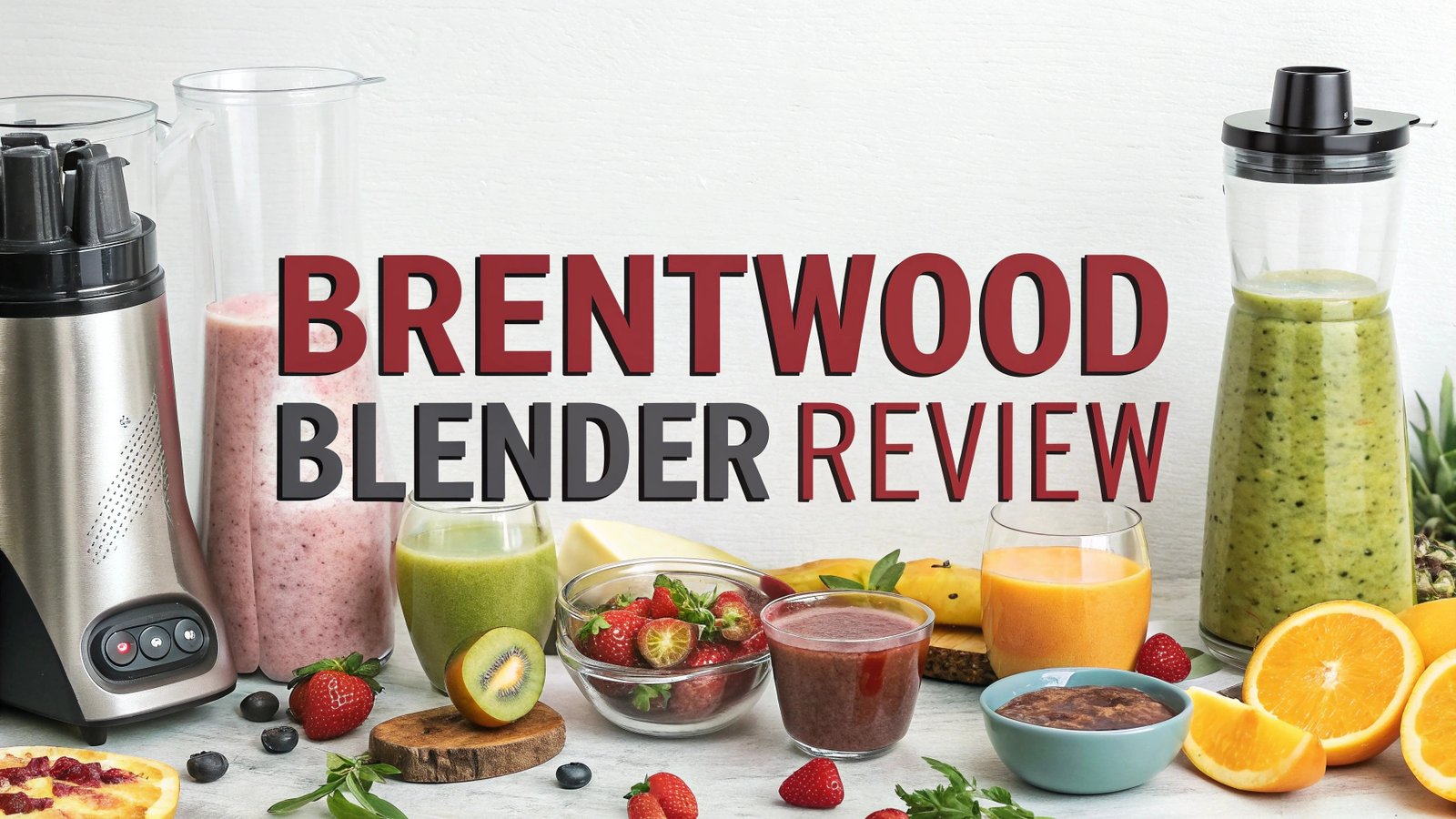
Brentwood Blender Review: Best Models and Features
Finding the perfect blender can transform your kitchen experience. Brentwood blenders have earned a solid reputation for delivering reliable performance at budget-friendly prices.
These kitchen appliances offer excellent value for everyday blending tasks. Many home cooks appreciate their straightforward design and consistent results.
This comprehensive review covers everything you need to know about Brentwood blenders available on Amazon.
Key Takeaways
- Budget-Friendly Excellence: Brentwood blenders offer exceptional value with prices ranging from $20-60, making them accessible for most kitchen budgets without compromising essential functionality.
- Versatile Model Range: The brand provides multiple options including personal blenders (JB-191), full-size models (JB-220/JB-920), and specialty units with glass or plastic containers to match different needs.
- Reliable Performance: Most Brentwood models feature 350-watt motors with 12-speed settings plus pulse function, delivering consistent results for smoothies, shakes, and light food processing tasks.
- User-Friendly Design: Simple one-touch operation and straightforward controls make these blenders perfect for beginners and experienced users who prefer uncomplicated functionality.
- Mixed Durability Reviews: While many users report satisfactory longevity, some models show limitations with heavy-duty tasks like ice crushing without liquid or continuous commercial-level use.
- Easy Maintenance: Most components are dishwasher-safe with removable parts that simplify cleaning, though some users note that thorough manual cleaning works best for optimal hygiene.
Brentwood JB-220 12 Speed Pulse Blender

The Brentwood JB-220 stands as the flagship model in the brand’s countertop blender lineup. This powerful unit features a 350-watt motor that handles most blending tasks with confidence. The 12-speed settings provide precise control over texture and consistency. Users can create everything from smooth protein shakes to chunky salsas with ease.
The 50-ounce capacity makes this blender perfect for families or meal prep enthusiasts. The plastic pitcher design keeps the overall weight manageable while maintaining durability. Stainless steel blades deliver consistent cutting performance across various ingredients. The pulse function adds extra versatility for tasks requiring intermittent blending action.
Quality construction shows in the stable base and secure lid mechanism. Many users appreciate the straightforward control panel that eliminates guesswork during operation. The blender performs well with frozen fruits, vegetables, and ice when combined with adequate liquid. Regular maintenance keeps this unit running smoothly for extended periods.
Customer feedback highlights the reliable daily performance and easy cleanup process. The dishwasher-safe components simplify maintenance routines. While not designed for heavy commercial use, this model excels at typical household blending tasks. The affordable price point makes it accessible for budget-conscious buyers seeking dependable functionality.
Brentwood JB-191 Personal Blender

The Brentwood JB-191 caters perfectly to individual portion needs with its compact 14-ounce design. This personal blender features a 180-watt motor that efficiently processes single-serving smoothies and protein shakes. The one-touch operation makes morning routines quick and simple. Busy professionals appreciate the grab-and-go convenience this model provides.
Glass construction offers several advantages over plastic alternatives including better taste preservation and easier cleaning. The BPA-free materials ensure food safety while maintaining durability. Stainless steel blades effectively blend fruits, vegetables, and supplements into smooth consistency. The compact footprint saves valuable counter space in smaller kitchens.
The sports lid design transforms the blending jar into a portable drinking container. This feature eliminates the need for additional cups and reduces cleanup time. Users can blend their ingredients and immediately take their drink to work or the gym. The secure lid prevents spills during transport and active use.
Maintenance simplicity makes this personal blender particularly appealing to busy individuals. All removable parts clean easily by hand or in the dishwasher. The straightforward construction means fewer components that might break or wear out over time. Regular users report consistent performance across months of daily operation.
Brentwood JB-920 Glass Jar Blender

The Brentwood JB-920 combines the power of a full-size blender with the benefits of glass container construction. This model features the same 350-watt motor found in other premium Brentwood units while offering a 42-ounce glass pitcher. The glass material provides superior taste neutrality and stain resistance compared to plastic alternatives.
Twelve speed settings plus pulse function deliver precise control over blending consistency. Users can start slow for delicate ingredients and increase speed for tougher materials. The graduated speed control prevents ingredient splashing while ensuring thorough mixing. Professional-grade stainless steel blades maintain sharpness through extensive use.
The glass pitcher design offers multiple practical advantages for serious home cooks. Glass containers resist scratching, staining, and odor absorption that commonly affect plastic models. Temperature resistance allows users to blend both hot and cold ingredients safely. The clear construction makes it easy to monitor blending progress without removing the lid.
Durability factors include robust base construction and secure blade assembly mounting. The glass pitcher features measurement markings for precise recipe following. Easy-pour spout design minimizes mess during transfer to serving containers. Users report excellent longevity when following proper care instructions and avoiding extreme temperature changes.
Top 3 Alternative for Brentwood Blender


Motor Power and Performance Analysis
Motor specifications significantly impact blending performance and versatility. Brentwood blenders typically feature motors ranging from 180 watts in personal models to 350 watts in full-size units. These power levels handle most standard household blending tasks effectively. Understanding motor capabilities helps users set realistic expectations for their chosen model.
The 350-watt motors in models like the JB-220 and JB-920 provide adequate power for frozen fruit smoothies, protein shakes, and light food processing. These motors maintain consistent speed under moderate loads while avoiding overheating during normal use. Users should add sufficient liquid when blending thick mixtures to prevent motor strain and ensure smooth operation.
Performance limitations become apparent with extremely tough ingredients or commercial-level usage patterns. Ice crushing works best when combined with liquid rather than attempting to crush ice alone. Nut butter preparation exceeds the design parameters of most Brentwood models. Users seeking heavy-duty performance might consider higher-powered alternatives.
Speed control systems offer twelve settings plus pulse function across most Brentwood models. Lower speeds work well for gentle mixing and initial ingredient incorporation. Higher speeds create the vortex action needed for smooth smoothies and thorough blending. The pulse function provides control for chunky textures and intermittent processing needs.
Jar Capacity and Material Options
Container selection plays a crucial role in blender functionality and user satisfaction. Brentwood offers both plastic and glass options across different model lines. Each material provides distinct advantages and considerations. Understanding these differences helps buyers choose the most suitable option for their specific needs and preferences.
Glass containers like those in the JB-920 model offer superior taste neutrality and stain resistance. Glass materials resist scratching and maintain clarity even after extended use with acidic ingredients. Temperature resistance allows safe blending of both hot and cold ingredients without container damage. The weight factor requires careful handling but contributes to stability during operation.
Plastic containers provide lightweight convenience and impact resistance that appeals to many users. Modern BPA-free plastics ensure food safety while keeping replacement costs reasonable. The lighter weight makes handling and cleaning easier, especially for users with mobility concerns. However, plastic may retain odors and stains from strongly colored or flavored ingredients over time.
Capacity considerations range from 14 ounces in personal models to 50 ounces in full-size units. Personal blenders suit individual portions and small batch preparation. Family-size models accommodate multiple servings and meal prep quantities. Users should consider their typical batch sizes when selecting appropriate capacity levels for efficient operation.
Speed Settings and Control Features
Variable speed control provides the flexibility needed for different ingredients and desired textures. Most Brentwood models offer twelve distinct speed levels that allow precise adjustment throughout the blending process. Starting with lower speeds prevents ingredient splashing while higher speeds create the vortex action needed for smooth results.
The pulse function adds valuable control for achieving specific textures and processing techniques. Short pulses work well for chopping vegetables, crushing ice, or creating chunky mixtures. This feature prevents over-processing while giving users complete control over final consistency. Professional chefs often rely on pulse techniques for precision preparation tasks.
Control interface design emphasizes simplicity and reliability across Brentwood models. Traditional dial controls provide tactile feedback and precise speed selection without complicated digital displays. The straightforward approach reduces potential failure points while keeping operation intuitive for all family members. Easy-to-clean control surfaces resist spills and ingredient buildup.
Operational techniques maximize blending efficiency and ingredient processing quality. Starting with liquid ingredients helps create proper vortex action before adding solid materials. Layering ingredients from soft to hard promotes even blending without overworking the motor. Regular pausing allows ingredients to settle and ensures thorough processing of all components.
Build Quality and Durability Assessment
Construction quality varies across Brentwood’s model range but generally reflects the budget-friendly pricing strategy. The brand focuses on essential functionality rather than premium materials or advanced engineering. Users can expect reliable performance for typical household tasks when operating within design parameters and following proper maintenance procedures.
Base stability receives positive feedback from most users who appreciate the solid feel during operation. Adequate weight distribution prevents walking or sliding on smooth countertops. Non-slip feet provide additional security during high-speed blending cycles. The stable foundation contributes to consistent blending results and user confidence during operation.
Component longevity depends largely on usage patterns and maintenance habits. Regular cleaning and proper storage extend component life significantly. Blade assemblies maintain sharpness through normal use but may require replacement after extended heavy-duty operation. Motor components typically outlast other parts when not subjected to overloading or overheating conditions.
Warranty coverage provides basic protection against manufacturing defects but may not cover wear items or damage from misuse. Users should understand warranty terms and maintain proper documentation for potential claims. Following manufacturer guidelines for operation and maintenance helps ensure warranty validity and optimal performance throughout the coverage period.
Cleaning and Maintenance Requirements
Daily cleaning routines keep Brentwood blenders operating efficiently and hygienically. Most components disassemble easily for thorough cleaning after each use. Dishwasher-safe parts simplify the cleaning process, though hand washing often provides better results for blade assemblies and detailed components. Immediate cleaning prevents ingredient buildup and staining.
Deep cleaning procedures should be performed weekly or as needed depending on usage frequency. Soaking removable parts in warm, soapy water loosens stubborn residues. Baking soda paste effectively removes stains and odors from plastic components. Blade assemblies require careful cleaning to maintain sharpness and prevent bacterial growth in crevices.
Motor base care involves simple exterior wiping with damp cloths and mild cleaners. Avoid submerging the base or allowing liquid to enter electrical components. Regular dusting prevents buildup that might interfere with ventilation. Check power cord periodically for damage and ensure proper storage to prevent kinking or wear.
Storage practices protect blender components between uses and extend overall lifespan. Completely dry all parts before reassembly or storage to prevent mold and bacterial growth. Store containers with lids slightly ajar to promote air circulation. Organize accessories in designated areas to prevent loss and facilitate quick setup for future use.
Price Point and Value Analysis
Pricing strategy positions Brentwood blenders as budget-friendly alternatives to premium brands while maintaining acceptable functionality. Models typically range from $20-60, making them accessible to most kitchen budgets. This pricing reflects the focus on essential features rather than advanced technology or premium materials. Value-conscious buyers appreciate the balance between cost and capability.
Cost comparison with similar models from competing brands reveals Brentwood’s competitive positioning. While lacking some advanced features found in higher-priced units, Brentwood models deliver core blending functionality at significantly lower prices. The savings allow buyers to invest in other kitchen equipment or simply stay within tight budgetary constraints.
Long-term value depends on individual usage patterns and expectations. Users who need basic blending capabilities for smoothies, shakes, and light food preparation often find excellent value in Brentwood models. However, those requiring heavy-duty performance or advanced features might need to invest in more expensive alternatives for satisfactory long-term results.
Replacement cost considerations include both initial purchase price and potential component replacement needs. The affordable pricing makes complete unit replacement feasible when major components fail. Replacement parts availability varies by model, so users should factor potential maintenance costs into their overall value assessment before purchase.
Customer Reviews and User Experience
User feedback provides valuable insights into real-world performance and satisfaction levels. Many customers appreciate the straightforward operation and reliable basic functionality that Brentwood blenders provide. Positive reviews frequently mention good value for money and adequate performance for typical household blending tasks. Users often recommend these models for budget-conscious buyers with standard needs.
Common complaints center around motor power limitations and build quality concerns with heavy usage. Some users report difficulty with tough ingredients like nuts or very thick mixtures. Noise levels during operation receive mixed reviews, with some finding them acceptable while others consider them excessive. These issues typically arise when users exceed recommended usage parameters.
Performance satisfaction varies significantly based on user expectations and intended applications. Customers who understand the limitations and use their blenders within design parameters report high satisfaction levels. Those expecting performance similar to premium models often express disappointment. Setting appropriate expectations based on price point helps ensure positive user experiences.
Longevity reports from long-term users provide mixed but generally positive feedback. Many customers use their Brentwood blenders daily for months or years without major issues. Proper maintenance and reasonable usage patterns contribute to extended lifespan. However, some units fail prematurely under heavy use or poor maintenance conditions.
Comparing Brentwood Models Side by Side
Feature comparison across Brentwood’s model range helps buyers identify the best fit for their specific needs. The JB-191 personal blender offers portability and individual serving convenience with its 14-ounce glass container and 180-watt motor. The compact design suits small kitchens and single-user households perfectly while maintaining adequate blending power for most ingredients.
Full-size options include the JB-220 with plastic container and JB-920 with glass jar, both featuring 350-watt motors and 12-speed controls. The plastic model provides lightweight handling and impact resistance, while the glass version offers superior taste neutrality and stain resistance. Both deliver similar blending performance with different user experience priorities.
Capacity considerations range from personal portions to family-size batches across the model lineup. The 14-ounce personal model suits individual smoothies and protein shakes. Mid-size options accommodate small families, while 50-ounce models handle meal prep and larger batch requirements. Users should match capacity to their typical usage patterns for optimal efficiency.
Price progression reflects the additional features and capabilities of larger models. Personal blenders offer the most affordable entry point, while full-size models command higher prices for increased capacity and motor power. The price differences typically justify the additional functionality for users who can benefit from the enhanced capabilities.
Troubleshooting Common Issues
Motor problems represent the most serious potential issues with Brentwood blenders. Overheating protection built into most models prevents damage but may cause temporary shutdowns during heavy use. Allow adequate cooling time between intensive blending sessions. Reduce load size or add more liquid if the motor struggles or makes unusual sounds during operation.
Blade assembly issues can affect blending performance and safety. Loose blades create poor results and potential hazards. Ensure proper tightening according to manufacturer instructions. Replace worn or damaged blades promptly to maintain performance and prevent injury. Clean blade assemblies thoroughly to prevent ingredient buildup that might affect operation.
Container problems include cracks, leaks, or poor fit with the base unit. Inspect containers regularly for damage and replace when necessary. Ensure proper alignment and secure seating on the motor base before operation. Warped or damaged containers may not seal properly, leading to leaks or poor blending performance.
Electrical concerns require immediate attention for safety reasons. Damaged power cords should be replaced rather than repaired. Intermittent operation might indicate loose connections or switch problems requiring professional service. Never operate blenders with damaged electrical components, and unplug units before cleaning or maintenance.
Frequently Asked Questions
Are Brentwood blenders good for making smoothies?
Yes, Brentwood blenders work well for most smoothie recipes. The 350-watt motors in full-size models like the JB-220 and JB-920 provide adequate power for frozen fruits, vegetables, and protein powders. Add sufficient liquid to help create proper vortex action. Personal models like the JB-191 handle individual smoothie portions effectively with their 180-watt motors.
Can Brentwood blenders crush ice effectively?
Brentwood blenders can crush ice when combined with adequate liquid, but they struggle with ice-only crushing tasks. The manufacturer specifically recommends against crushing ice without liquid. For best results, add water or other liquids when crushing ice for frozen drinks. The pulse function helps break up ice gradually without overworking the motor.
How long do Brentwood blenders typically last?
Lifespan varies significantly based on usage patterns and maintenance habits. Many users report 1-3 years of regular service with proper care and moderate use. Daily users following maintenance guidelines often achieve longer lifespans, while heavy-duty use may reduce longevity. The affordable pricing makes replacement feasible when units reach end of life.
Are replacement parts available for Brentwood blenders?
Replacement part availability varies by model and age. Basic components like containers and blade assemblies may be available through the manufacturer or third-party suppliers. However, motor assemblies and electronic components typically aren’t available separately. The low cost often makes complete unit replacement more economical than major component replacement.
Do Brentwood blenders come with warranties?
Most Brentwood blenders include basic manufacturer warranties covering defects in materials and workmanship. Warranty periods typically range from 90 days to one year depending on the specific model. Coverage generally excludes normal wear, misuse, or damage from improper operation. Users should register products and retain purchase documentation for warranty claims.


